
Napping without guilt: permission to rest
A small, quiet case for the afternoon nap, and for letting yourself take one without apology.
 Leave this on
It is three in the afternoon and the light has gone soft and heavy. You sat down for one thing and stayed for another. Your eyes keep closing on their own. Somewhere in you a voice says this is laziness. That voice is not being fair to you. Napping without guilt is a small skill, and like most small skills it gets easier with practice.
What follows is not a rule. It is a few gentle ways to let your body have twenty minutes, and to stop charging yourself interest for it.
Notice the tired moment
Tiredness usually announces itself before it becomes a problem. You read the same line twice. You stand in the kitchen and forget why. You feel a small weight behind the eyes, like a hand resting there.
Try this. When you notice one of those signs, do not argue with it. Just name it, quietly and plainly. Say to yourself, I am tired right now. Not lazy. Not failing. Tired.
Naming it takes about four seconds. It also tends to loosen the guilt, because guilt needs a story and a plain fact does not give it one. You can do this at a desk, on a train, in a parked car before you go inside. It is not a nap yet. It is just honesty.
Set a small boundary
A nap without edges can turn into a long sleep and a strange evening. Edges help.
- Pick a length before you lie down. Fifteen or twenty minutes is plenty for most people.
- Set one alarm and put the phone out of reach, face down.
- Choose a stopping point in daylight, not late in the afternoon, so the night still comes at its usual time.
- Tell anyone in the house, once, in plain words: I am resting for twenty minutes.
You are not asking permission. You are just making the shape clear, for yourself and for the room.
Many people find that a nap with a boundary feels different from a nap that swallows the afternoon. One restores you. The other leaves you foggy. The difference is usually the edge, not the sleep.
Make the place dim and plain
You do not need a bedroom. You need less light and fewer things asking for you.
Pull the curtain halfway. Turn the screen away. If you are at work, a folded jacket behind the neck and a hand over the eyes can be enough. If you are at home, a blanket that smells like your own house is a quiet kind of help.
Keep it plain on purpose. A nap is not an event. It is a small closing of the door.
If you cannot lie down at all, sit back, let your hands rest open, and close your eyes for ten minutes. That counts. It is not a lesser version. It is the version you have today.
Let the waking be slow
The first minute after a nap is not the time to judge it. Your mouth is dry, your thoughts are thick, and the room looks slightly unfamiliar. That is normal.
Try this instead. Stay where you are for one more minute. Move your feet. Drink some water. Look out a window and find one thing that is far away.
Then decide what is next. Not the whole afternoon. Just the next small thing. A glass of water, a short walk, one email. The day will take you back. It always does.
If you wake and feel worse rather than better, that is information, not failure. Some people do better with ten minutes. Some do better with a quiet sit and no sleep at all. A doctor is the person to ask if tiredness has become a constant companion, or if you are waking up exhausted no matter what you try. That is worth a real conversation, and it is not something to sort out alone.
Pair it with a scene to leave on
Rest is easier when the room is doing some of the work for you. If you want something to leave on while you close your eyes, try rain on window. It gives the afternoon a soft edge, and it covers the small sounds of the house.
If rain is not your weather today, ocean waves works just as well, or wind through pines if you want something drier and wider. Leave it low. Let it play past the end of your nap, so you do not have to wake into silence.
Twenty minutes is not a lost afternoon. It is a small repair. Take it without apology, and let the rest of the day be a little easier to carry.
Watch the scene · Listen to this read · More from Unwind With Me · The podcast
More quiet reads
All →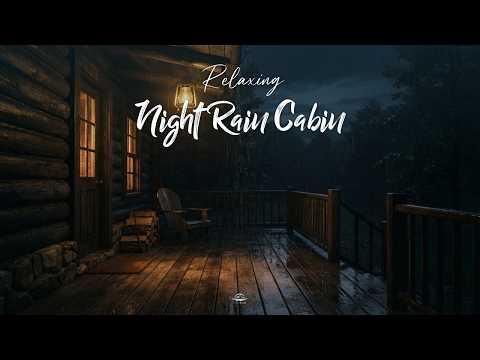
A slower way to fall asleep
A quiet bedtime practice: let the jaw, shoulders and hands soften, breathe out long, and give sleep room to arrive on its…

How to unwind after a long drive
A long drive leaves a hum in your body. Here are small ways to let it fade.